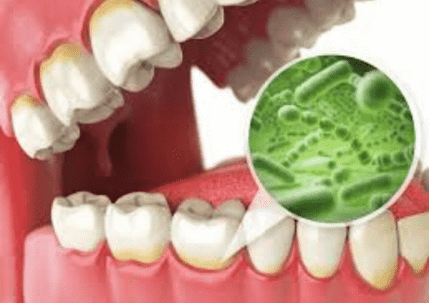

There is nothing worse than having bad breath, and although it might be tough to determine if you have bad breath, it is always preferable to maintain excellent dental health rather than risk having a stinky mouth. When it comes to reducing or eliminating bad breath, there are several options available, some of which are far more effective and last longer than others. Take a look at the options available to you below.
Floss on a regular basis
Even though it might be tough to remember to floss on a daily basis, when it comes to bad breath, flossing is one of the simplest and most cost-effective methods to freshen your breath quickly and effectively. See, flossing helps to remove the plaque and germs that accumulate in parts of your mouth that a toothbrush can’t reach, and it also helps to eliminate the odor connected with the bacteria. While flossing may not completely erase bad breath on its own, if done in conjunction with other good dental hygiene routines such as brushing, you may notice a noticeably fresher smelling mouth.
Mouthwash should be used.
Using a mouthwash may significantly improve the freshness of your breath, particularly if you notice that your breath is still smelling after brushing and flossing. There are many different mouthwash solutions available on the market; however, you may make your own by mixing baking soda with water and swishing it around in your mouth.
Always brush your teeth after sleeping.
When you get up in the morning, whether you’ve had a nap or a whole night of sleep, you’ll likely want to clean your teeth in order to prevent bad breath. While you are asleep (even for a short period of time), bacteria builds in your mouth, which is ultimately the root of your foul breath, according to scientific evidence. So, the next time you wake up after a good night’s sleep, give your mouth a thorough brushing and you will notice a significant improvement in the freshness of your breath.
There are a variety of options for freshening your breath that go beyond chewing gum or sucking on mints; the methods listed above are just a few suggestions for you to consider. Try them out and you’ll most likely discover that your foul breath issue has been resolved, or at the very least much reduced. Naturally, you may always ask Dr. Marianne Cohan at your next appointment at our Summerlin dental office near you.
Prevent Bad Breath
Q1: What causes bad breath even when I brush my teeth?
The most common cause is bacteria on the tongue, which brushing alone does not fully address. Other causes include gum disease, dry mouth, tonsil stones, sinus issues, and certain medications. Dr. Cohan at Summerlin Dental Solutions can identify the specific source and recommend targeted treatment.
Q2: Is bad breath a sign of a dental problem?
Often, yes. Persistent bad breath (halitosis) can indicate gum disease, tooth decay, dry mouth, or an infected tooth. If breath mints and mouthwash only mask the odor temporarily, schedule an evaluation at Summerlin Dental Solutions to rule out underlying dental issues.
Q3: How do I get rid of bad breath permanently?
Address the root cause rather than masking symptoms. Brush twice daily including your tongue, floss every day, stay hydrated, treat any gum disease, and visit Summerlin Dental Solutions regularly for professional cleanings. If the cause is medical (such as acid reflux or sinus issues), Dr. Cohan can help coordinate care.
Q4: Does mouthwash cure bad breath?
Most mouthwashes temporarily mask odor but do not treat the underlying cause. Antimicrobial rinses containing chlorhexidine or cetylpyridinium chloride can reduce odor-causing bacteria more effectively. Dr. Cohan can recommend a specific mouthwash based on the cause of your bad breath.
Q5: Can gum disease cause bad breath?
Yes, gum disease is one of the most common causes of persistent bad breath. Bacteria in infected gum pockets produce sulfur compounds that create a strong, unpleasant odor. Professional treatment at Summerlin Dental Solutions addresses the infection and eliminates the odor at its source.
Q6: Does dry mouth cause bad breath?
Absolutely. Saliva naturally cleanses the mouth and neutralizes bacterial acids. When saliva production decreases (from medications, mouth breathing, or medical conditions), bacteria multiply rapidly and produce odor. Staying hydrated, using sugar-free gum, and using saliva substitutes can help.
Q7: Why does my breath smell worse in the morning?
Saliva production drops dramatically during sleep, allowing bacteria to multiply unchecked. This is why morning breath is universal. Brushing and flossing before bed removes food and bacteria, reducing the severity. Drinking water before sleep also helps.
Q8: Can certain foods cause bad breath beyond garlic and onions?
Yes. Coffee, alcohol, dairy products, high-sugar foods, and spicy foods can all contribute to bad breath. Garlic and onions are the most notorious because their odor compounds enter the bloodstream and are exhaled through the lungs for hours after eating.
Q9: Should I worry about bad breath in my child?
Occasional bad breath in children is usually caused by not brushing thoroughly, sinus congestion, or mouth breathing. Persistent bad breath should be evaluated — it can indicate tonsil stones, tooth decay, or a foreign object lodged in the nose (common in young children). Dr. Cohan can evaluate your child at our Summerlin office.
Q10: How often should I see the dentist if I have chronic bad breath?
If you have persistent bad breath, schedule an evaluation at Summerlin Dental Solutions to identify the cause. If gum disease is diagnosed, you may need cleanings every 3 to 4 months until the condition is under control. Regular visits are essential to keeping bad breath resolved long-term.
GET TO KNOW YOUR BEST DENTIST IN SUMMERLIN
Dr. Marianne Cohan was voted 15 – time Best of Las Vegas from The Las Vegas Review-Journal. She received her Doctor of Dental Surgery (DDS) from the State University of New York at Buffalo in 1992.
With an emphasis on cosmetic dentistry, complete makeovers, and implant dentistry, Dr. Cohan is committed to continuing education and feels that we never stop learning. Dr. Cohan takes pride in using high-powered magnification to perform minimally invasive restorative dentistry. She uses all the latest technological advances including digital radiography, digital photography, computer simulations, and high-resolution pictures of your proposed treatment on 55-inch screens. She also utilizes CBCT (cone beam) and laser technology.
Dr. Cohan is always available to her patients and is available for any dental emergency.